The starting point
Choose stage lighting by the visual task, working distance, environment and control system. Then verify the exact model’s measured output, electrical requirements and protection rating before comparing quotations. Lamp or LED wattage alone does not describe how a fixture will perform on your stage.
1. Define what the light must do
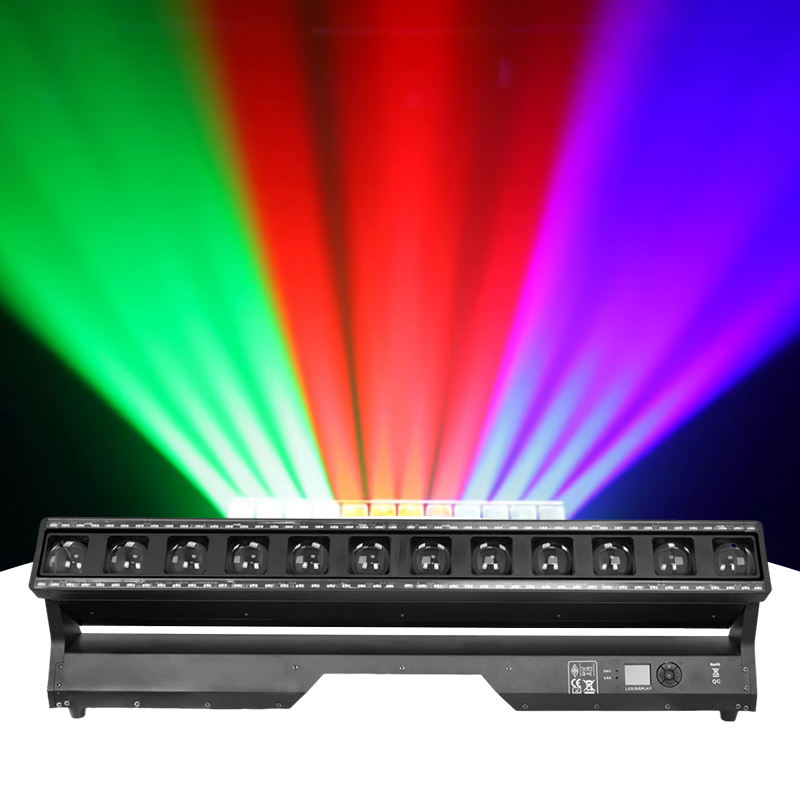
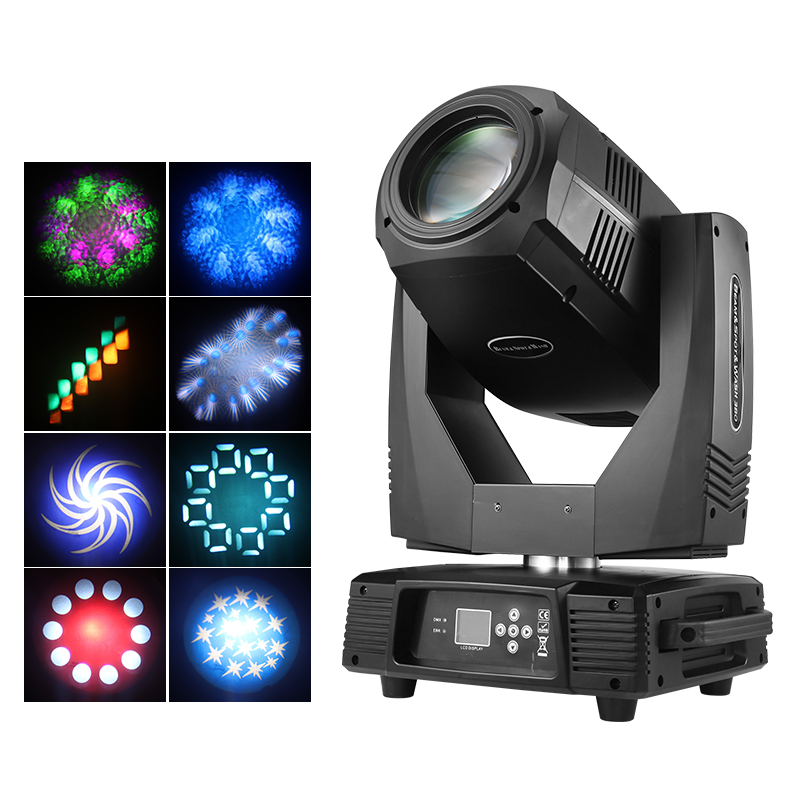
A beam fixture creates a narrow shaft of light. A wash fixture spreads light over a larger area. A spot or profile fixture shapes projected light, often using gobos, focus or framing features where the specific model supports them. These are different jobs; a higher power rating does not make one type a substitute for another.
Start with your event format and lighting positions. A concert, theatre, ballroom and outdoor festival can need different colour, movement and noise characteristics. Describe the result you want before choosing a model name.
2. Match the optics to the working distance
Record the distance from each fixture position to the stage or subject. Ask for the relevant beam or field angle, zoom range and photometric information for that distance. Check how output was measured, including the colour setting and optical configuration. A narrow angle can concentrate light into a small area without providing useful coverage across a wide stage.
When colour quality, camera use or quiet operation matters, request the applicable measurements and a practical demonstration. Product photographs and a short effect video cannot establish flicker behaviour, colour consistency or operating noise for your application.
3. Check the environment and installation
Indoor and outdoor use are different operating conditions. Confirm the exact model’s IP rating, permitted mounting orientation, operating temperature and connector requirements. An IP rating does not replace the installation instructions or establish suitability for immersion, salt exposure or every weather condition.
Plan for fixture weight, clamps, secondary safety attachments, access and cable routing. A competent person should confirm the mounting arrangement and support structure. Transport cases and service access also affect the daily work of a rental crew.
4. Confirm control and power together
- Check the console, supported control protocol, DMX connector type, channel modes and fixture personality.
- Ask for the model-specific manual and channel chart; verify any advertised network-control features separately.
- Confirm supply voltage, frequency, maximum power consumption, inrush considerations and power connector type.
- Have the circuit plan, protective devices, cable sizes and any power linking checked for the actual installation.
5. Send a quotation brief that can be checked
Send the fixture type, quantity, stage dimensions, mounting height, working distance, indoor or outdoor conditions, console details and delivery destination. Include priorities such as camera use, matching an existing fleet, case configuration or branding. Ask the supplier to identify the exact variant in the quotation.
Before ordering, resolve any differences between the product title, parameter table, manual and sample. Request current specifications, included accessories and service arrangements in writing. For a fleet purchase, a sample evaluated under your intended operating conditions is more useful than a decision based only on wattage or a promotional video.
Common questions
Is a higher wattage fixture always brighter on stage?
No. Useful output also depends on the light source, optics, beam angle, colour and working distance. Compare relevant measured output under the same conditions, then assess coverage for your stage.
What should I provide for an outdoor lighting enquiry?
Provide the location, expected exposure, mounting arrangement, temperature conditions, working distance and event duration. Request the exact model’s protection rating and installation instructions before confirming suitability.
Ready to apply this to your project? Share the model shortlist and the details you have gathered.