The starting point
Compare the complete supplied configuration and define acceptance checks before approving a fleet order. Keep the model identity, sample, manuals, accessories, test conditions and packing allocation in one record. A short effect video or an attractive unit price cannot confirm all of these items.
Make competing quotations comparable
Start with a shared equipment brief. For lighting, include the visual tasks, mounting distances, control equipment and indoor or outdoor conditions. For audio, include the audience plan, programme and electronics that will be retained. Give each supplier the same requirements so differences in the proposed configuration remain visible.
Build the comparison around exact models and variants. Check whether cases, clamps, cables, processors, amplifiers and spare accessories are included or separately priced. Record packing quantities and destination details with the proposal. A price per fixture or cabinet is not a complete comparison if the supporting supply differs.
Agree an acceptance checklist before testing
Set out how the inspection will be performed and recorded. If a sample is approved, identify it and the conditions used in the evaluation. Resolve contradictory model names or parameters before approval, rather than allowing the receiving crew to discover the difference during the first event.
- The exact model, variant, firmware and supplied accessories.
- Performance at the optical, control or audio settings relevant to your work.
- Matching behaviour across the agreed sample set.
- Connectors, mains requirements and compatibility with existing inventory.
- Manuals, profiles, presets and identification markings.
- Case or carton allocation, contents and transport configuration.
Use demonstrations to answer specific questions
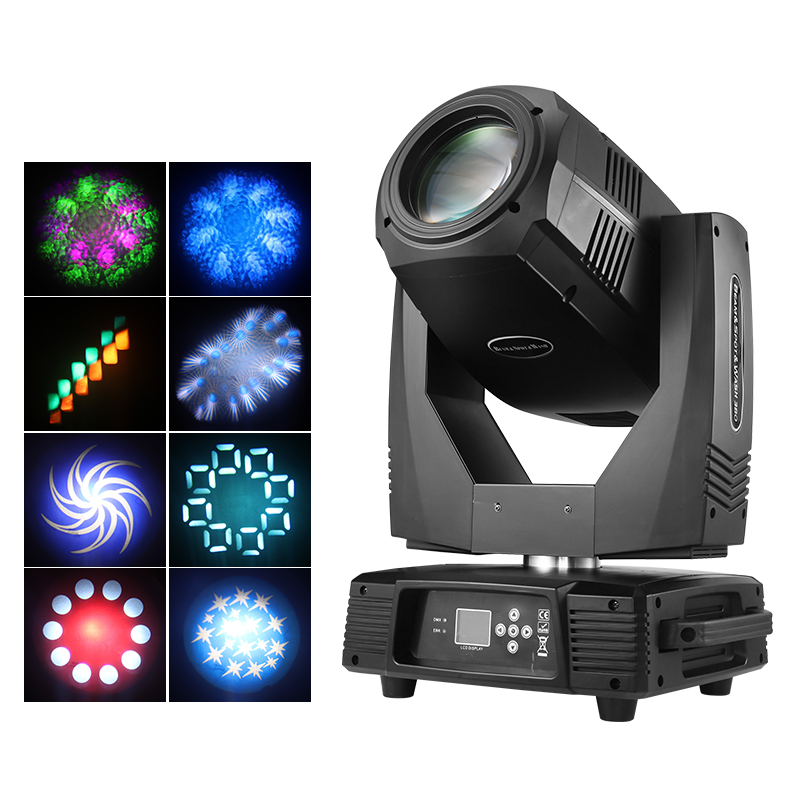
An effect video can show movement, projection or a general look, but camera exposure and editing limit what it establishes. Ask for a demonstration that answers the remaining questions: low-level fades, console operation, a particular zoom range or a documented audio configuration. Preserve the settings and original records that make the result repeatable.
For units that must join an existing fleet, test the intended combined workflow. A similar appearance does not establish matching colour, dimming, timing, profiles or processing. List any accepted differences clearly enough that the purchasing team and operators understand them in the same way.
Prepare a receiving and handover record
On receipt, match the delivered equipment to the accepted list and inspect it using the agreed procedure and product instructions. Record quantities, model identities, accessories and any visible transit issues. Keep the evidence and packaging information relevant to a discrepancy and contact the supplier through the agreed channel.
For powered equipment and suspended installations, include the appropriate competent checks before operational use. Do not treat this purchasing checklist as an electrical test, rigging approval or substitute for the model’s instructions. The crew handover should include the accepted manuals, profiles, presets and packing map rather than only the invoice.
Keep the fleet record useful after the first show
Retain the model and configuration records with your inventory. When a firmware, profile, processor setting or accessory changes, document it so the next crew can reproduce a working setup. For later replacement or expansion orders, provide the previous accepted configuration and identify what needs to match.
For a YL enquiry, send the model shortlist, quantities, existing inventory, destination and inspection priorities. Ask for an itemised proposed supply and confirm the order-specific packing, documentation and support arrangements. This makes the purchasing decision traceable to the equipment your crew will actually deploy.
Common questions
Does a promotional video replace a sample evaluation?
No. It can demonstrate some visible functions but does not establish every performance, compatibility, documentation or supplied-accessory requirement.
Should the packing arrangement be part of the quotation?
Yes. Identify the proposed cartons or cases, their allocation and included contents so transport and receiving checks refer to the same configuration.
Ready to apply this to your project? Share the model shortlist and the details you have gathered.