The starting point
Plan the room’s recurring uses before choosing fixtures. Separate front light, stage coverage, projection and decorative effects, then assess control, camera behaviour, noise and service access for each task. A flexible venue needs a repeatable operating plan as well as an equipment list.
List the room’s real operating modes
A venue that hosts presentations, performances and banquets does not use one lighting look all day. Describe the activities, audience positions and stage arrangements that recur. Include lecterns, movable risers, projection screens and any temporary scenic elements. Mark what changes between events and what the house staff need to recall quickly.
Build the first plan around the least flexible constraints: available lighting positions, sightlines, mounting height and access. A fixture that works well from one position may spill onto a screen or miss a presenter when the room is rearranged. Record these restrictions before discussing fixture quantity.
Separate illumination from effects
Front light should be assessed on people at the intended positions. Check the coverage, colour, glare and spill. A framing function can be useful when a defined edge must avoid a projection screen or architectural surface, but it needs a suitable position and a model-specific optical test.
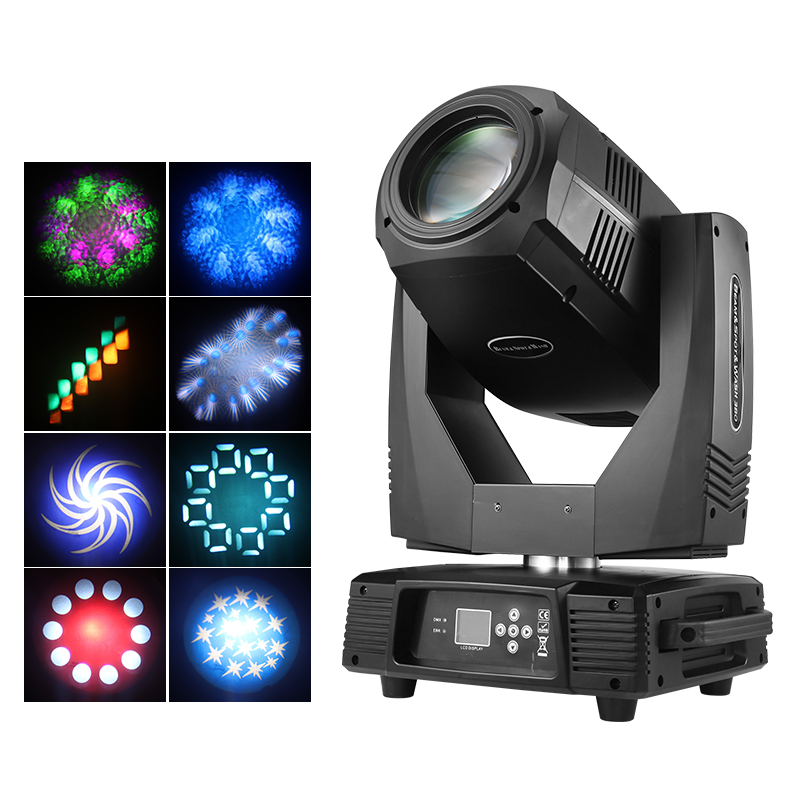
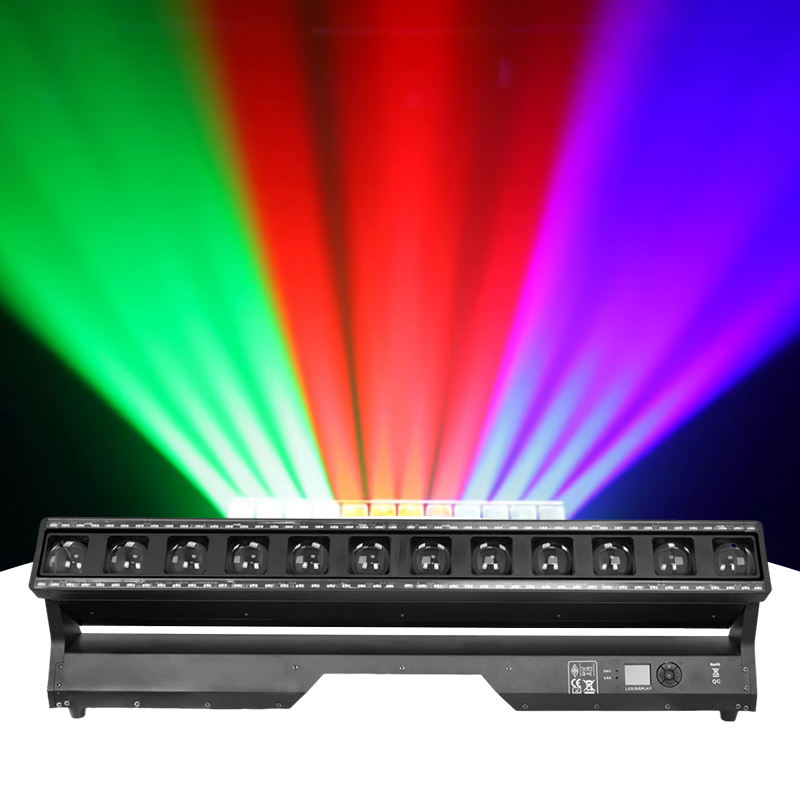
Washes, projected textures and beam effects can extend the visual range of the room. Give them their own jobs in the drawing. Do not allocate every position to effects and leave essential presenter illumination to whatever happens to be available. For multi-camera use, evaluate the lighting result through the cameras as well as from the audience.
Plan control for everyday staff
Decide who will operate the system during a simple meeting and during a staffed performance. A useful brief can include repeatable scene recall, an agreed patch and a documented recovery procedure. Confirm how the proposed console, node and fixtures work together rather than assuming a protocol name provides a complete workflow.
Keep access rights and stored show files organised for the actual operators. For a system used by visiting crews, retain the fixture list, channel modes and connection plan. Avoid designing a routine venue task that depends on one person remembering undocumented settings.
Make maintenance part of the selection
The supporting structure and electrical arrangement require assessment for the real installation. A fixture specification does not establish the capacity of the venue’s mounting points. Include the responsible installers and commissioning team early enough that these requirements influence the equipment proposal.
- Access for inspection, cleaning and replacement without obstructing venue use.
- Fixture noise at the intended operating mode and room conditions.
- Power, control, cable routes and model-specific installation instructions.
- Compatible mounting and secondary attachment arrangements checked for the site.
- A complete handover with manuals, profiles, settings and accepted test records.
Prepare the venue brief
Send YL a room plan, stage dimensions, lighting positions, typical programmes and the cameras or control equipment already in use. Identify any important limits such as noise, screen spill or restricted service access. Request a model shortlist with the functions and accessories clearly identified. A drawing with these constraints is a more useful starting point than a photograph of another venue’s completed rig.
Common questions
Should every venue use moving head fixtures?
No universal fixture mix fits every room. The required illumination, positions, operating workflow and visual effects determine the selection.
Can framing shutters solve every spill problem?
They can shape light where the model and position support the task. Test the actual geometry, focus and edge control; they cannot correct every unsuitable mounting position.
Ready to apply this to your project? Share the model shortlist and the details you have gathered.