The starting point
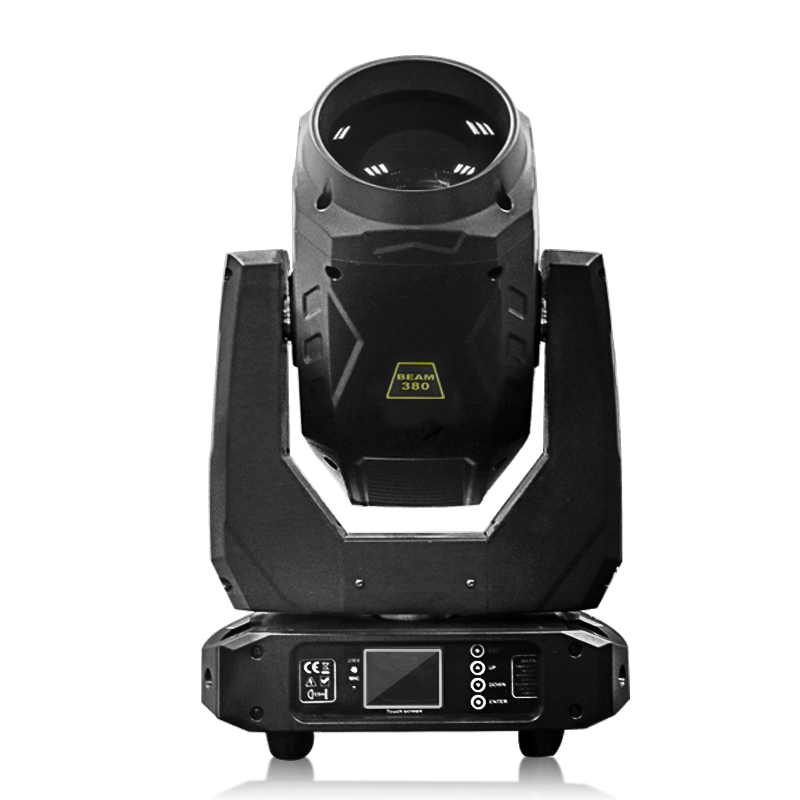
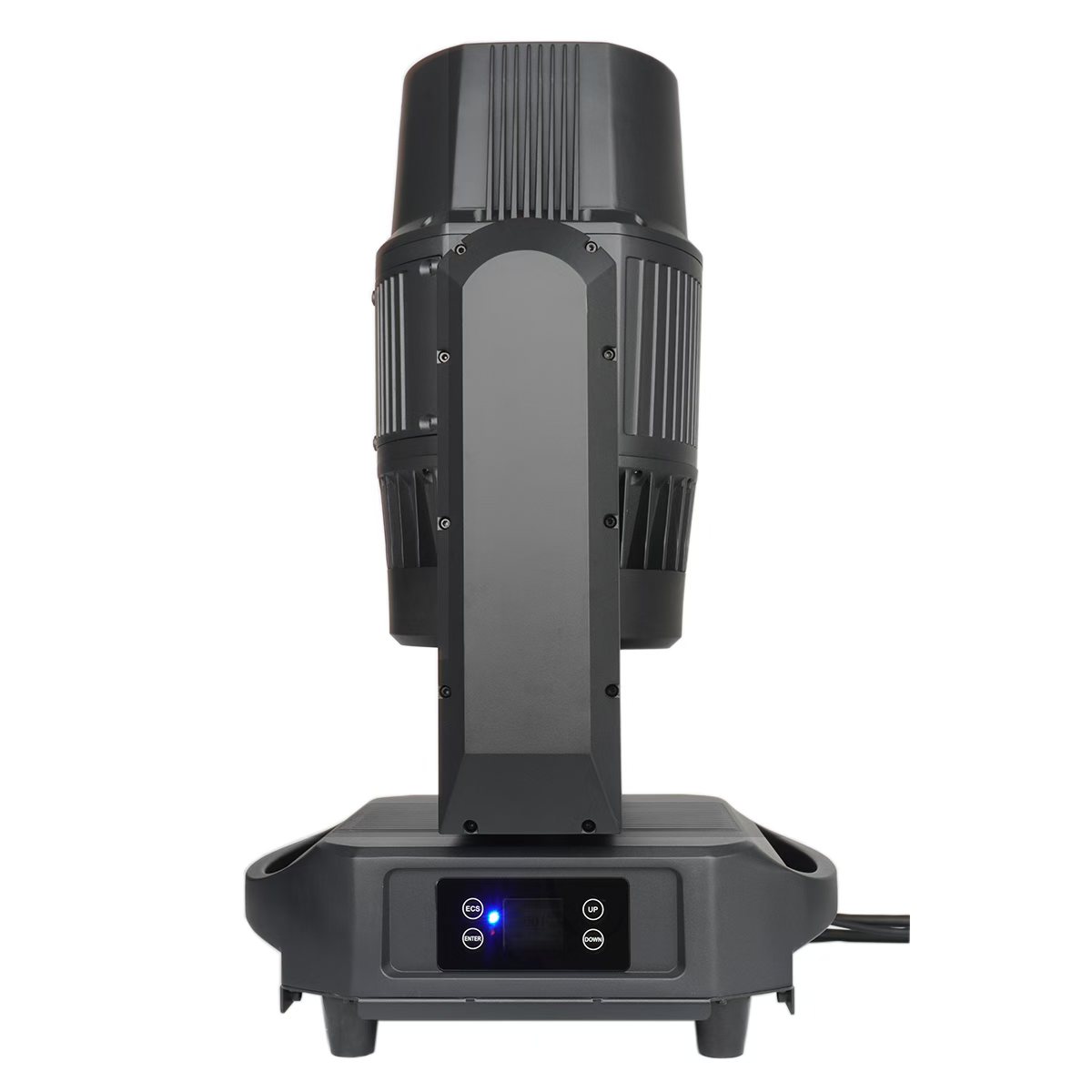
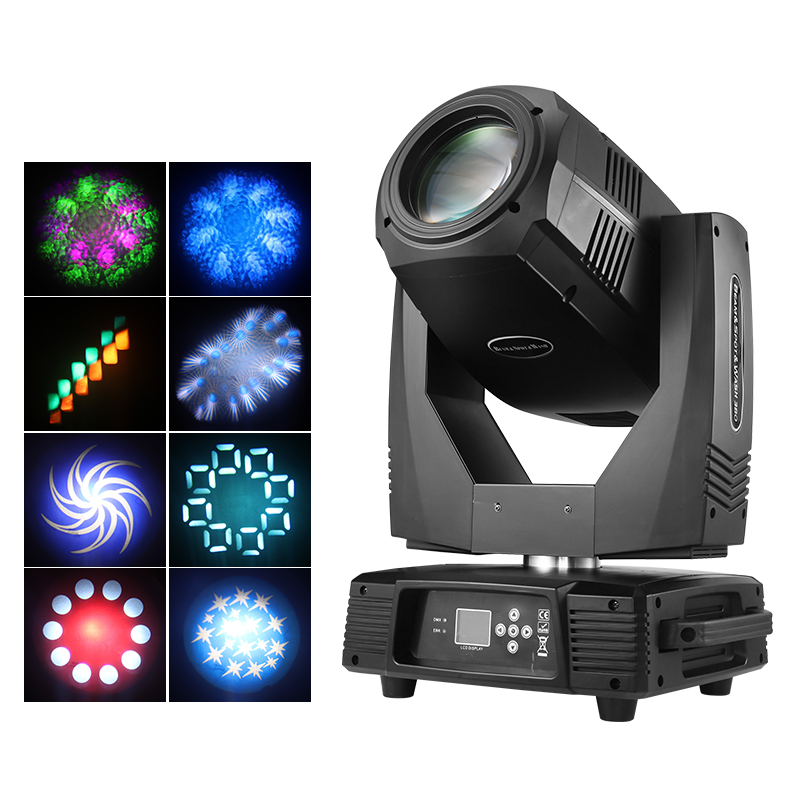
Choose a beam for a concentrated aerial effect, a wash for broad illumination, and a spot or profile for projected and shaped light. Treat hybrid names as a starting point: verify the zoom, focus, gobos and framing functions of the exact fixture before deciding what jobs it can cover.
Start with the lighting result
A product category is useful only when it describes the work on your stage. Lighting a presenter, making a narrow shaft visible above a crowd and projecting a sharply focused texture are different tasks. Write these tasks into the brief before selecting the light source or wattage. The same rig may need several fixture types because no single effect replaces every other function.
Describe your stage dimensions, lighting positions and the distance from each fixture to the intended target. Include whether the show is primarily viewed in the room or recorded on camera. These details turn a broad request for moving heads into a shortlist that can be demonstrated under relevant conditions.
Compare the optical functions
On a narrow screen, scroll the table horizontally to compare all columns.
| Fixture family | Typical job | What to verify |
|---|---|---|
| Beam | Concentrated aerial shafts and movement | Beam angle, working distance, colour and aerial effect |
| Wash | Broad colour and illumination | Zoom, usable coverage, colour mixing and evenness |
| Spot | Focused patterns and effects | Focus range, gobos, projection and zoom |
| Profile / framing | Controlled illumination and shaped edges | Framing system, focus, zoom and shutter rotation if offered |
The categories overlap. A fixture sold as a beam–spot–wash hybrid can have several optical modes, but the label does not establish the usable output, edge quality or zoom performance in each mode. Ask to see the specific job you want it to perform, rather than counting the words in the product title.
Build the test around your throw distance
Request photometric information at a relevant distance and optical setting. Compare colour, zoom and focus conditions alongside illuminance. A narrow beam can produce a high centre reading while leaving much of the target unlit; a wider setting distributes light differently. Neither number is a complete description of coverage.
For a profile, include a practical framing demonstration on a flat target. Look at the edge you need to control, any unwanted spill and the focus compromise across the image. For a wash, inspect the full illuminated area and overlap between neighbouring fixtures. For aerial effects, confirm whether atmospheric effects are part of the demonstration and permitted in your venue.
Account for the crew and the venue
A rental crew may value repeatable setup, matching units, manageable cases and a familiar control personality. A theatre may prioritise quiet operation and stable low-level fades. An installation team also needs access for service and a mounting arrangement suitable for the room. These are specification questions, rather than reasons to assume a more powerful fixture is automatically a better choice.
- List the visual tasks and the distance to each target.
- Identify the required optical functions and actual zoom settings.
- Test the chosen console profile and channel mode.
- Confirm weight, power, connectors, environmental conditions and accessories.
- Record the accepted model and variant in the quotation.
Turn the shortlist into a YL enquiry
Send YL your lighting plan or a simple drawing, the fixture types and quantities you are considering, the console and your delivery destination. Mark the effects that are essential and those that are optional. If you need to match existing stock, identify its exact model and the behaviour you want to match. The useful outcome is a model-specific discussion with unresolved points visible before an order is agreed.
Common questions
Is a hybrid moving head always the best value?
It depends on the jobs it can actually perform at your working distances. Compare each required mode, the number of fixtures needed and the complete supplied configuration.
Does every profile fixture have framing shutters?
Do not infer a framing system from a broad category name. Check the exact model’s optical features and request a demonstration of the required shaping function.
Ready to apply this to your project? Share the model shortlist and the details you have gathered.